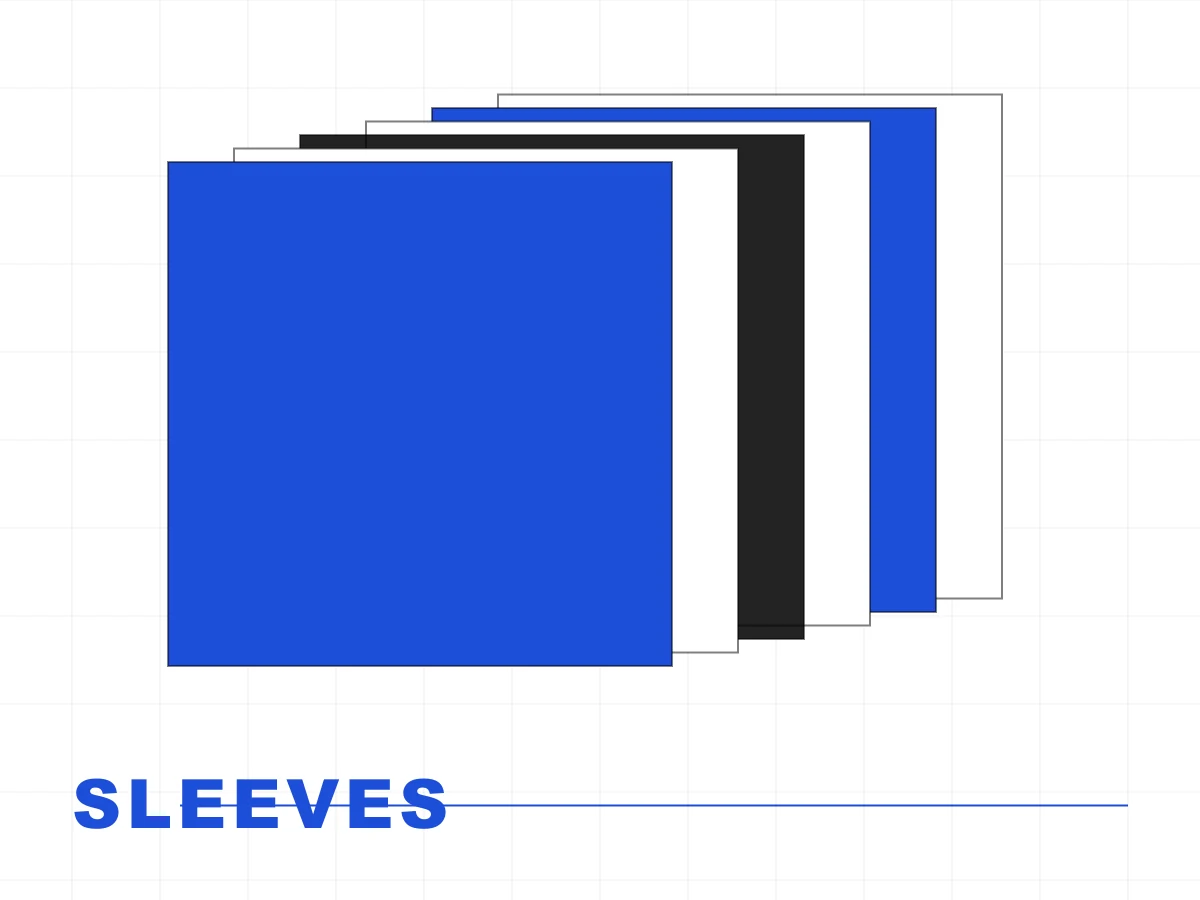
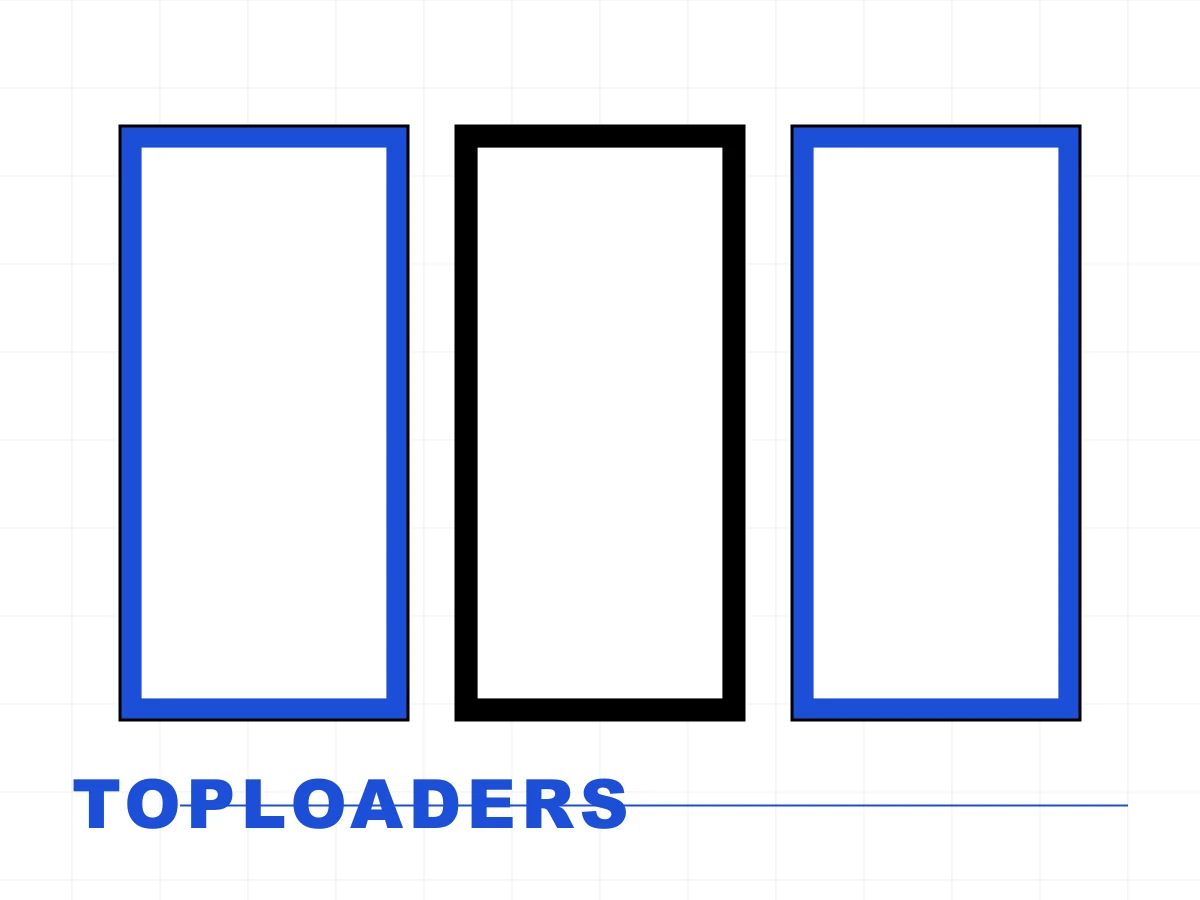
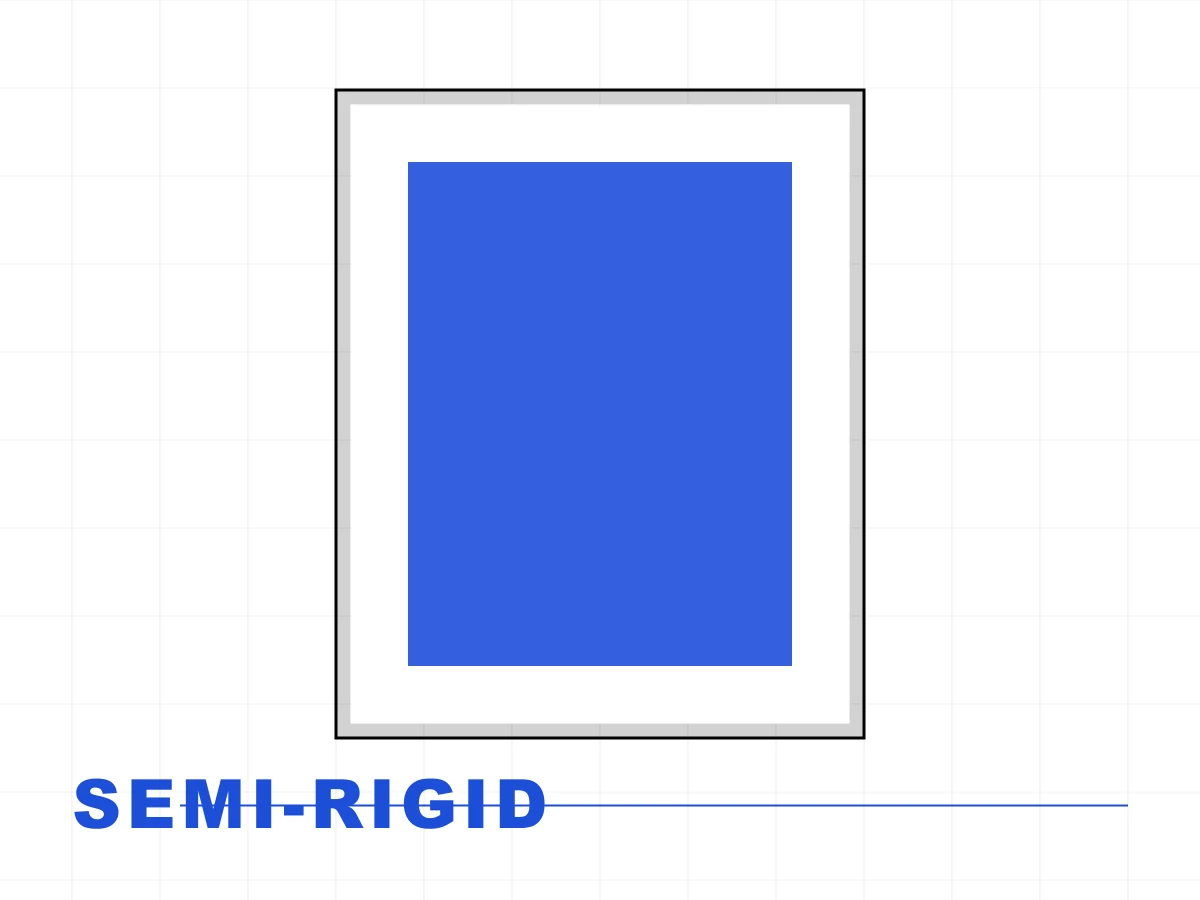
This is the part of the hobby with the worst naming, so here it is plainly. A penny sleeve is a thin clear bag costing about a cent; it stops dust and fingerprints and does nothing else. A deck sleeve is a thick matte sleeve you can shuffle; it exists so a deck survives being played. A toploader is a rigid plastic holder; it stops a card bending. A card saver is a semi-rigid holder that looks worse than a toploader and exists for exactly one purpose: sending a card to a grading company.
People get into trouble by substituting one for another. Shuffling penny-sleeved cards shreds them in an evening. Submitting a card to PSA in a toploader can attract a service charge and delay the whole order. Storing a thousand cards in toploaders costs more than the cards are worth.
03
Which cards get which treatment
The card
What it needs
Why
Bulk commons
Nothing, or a penny sleeve if you are sorting them
They are worth less than the sleeve. Keep them in a box.
Cards in a deck being played
Matte deck sleeves, all the same
Shuffling is what destroys cards. Sleeves take the wear instead.
Binder cards the kid likes
Penny sleeve, then the binder pocket
Stops pocket scuffing without bulking out the page.
The one genuinely good card
Penny sleeve inside a 35pt toploader
Rigid protection against bending, which sleeves cannot give.
A card going for grading
Penny sleeve inside a Card Saver 1
The holder graders ask for. A toploader is the wrong choice here.
A card being displayed
A magnetic one-touch holder
Fully enclosed, UV-blocking, and it looks deliberate.
04
Sizes: the two numbers that matter
Standard Pokemon cards are 63 by 88 millimeters, and a standard-size sleeve is cut at roughly 66 by 91 to fit them. Anything sold as a standard, regular or 66x91 sleeve fits. The sleeves marketed for Japanese cards are smaller and will not. Sleeve sizes in full.
Toploaders are measured in points of card thickness, not millimeters. A 35pt toploader takes a normal card in a penny sleeve and is what you want nine times out of ten. A double-sleeved card needs 55pt or more. A thick card — a jumbo or a relic — needs 75pt or beyond. Buying 35pt for a double-sleeved card is the most common mistake here. Which size you need.
05
Double sleeving, and whether you need to bother
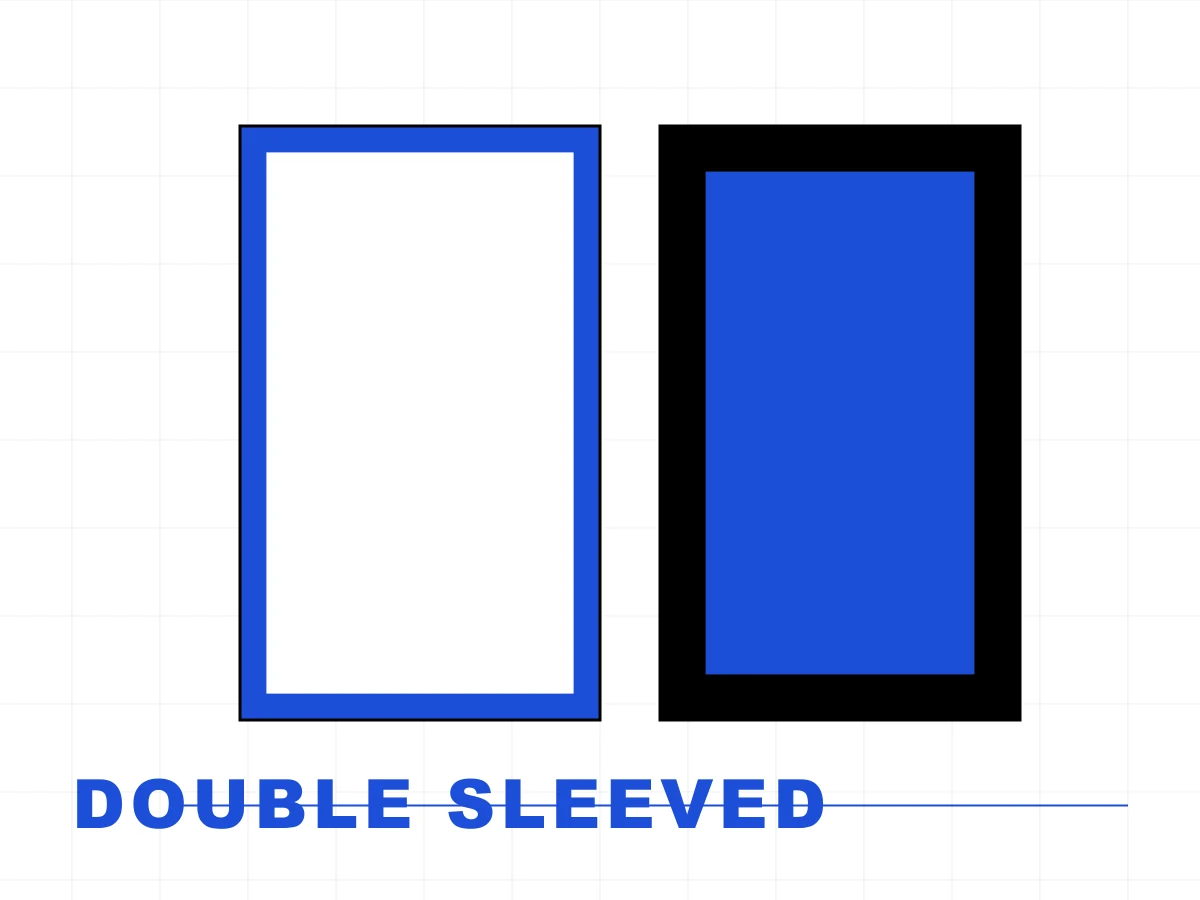
Double sleeving means a thin card-sized inner sleeve inside a normal deck sleeve, so the card is fully enclosed and dust cannot reach it from the top. It genuinely works and competitive players do it as standard. For a child's collection it is almost always unnecessary — it roughly doubles the cost per card, makes the deck noticeably thicker, and the cards it protects are not usually worth protecting that hard. How it is done, if you want to.
06
What this costs
Protecting a whole collection properly is cheaper than people expect. A thousand penny sleeves costs a few dollars. A hundred matte deck sleeves — enough for a deck and spares — is under ten. Twenty-five toploaders is a few dollars more. The expensive items are the magnetic holders, at several dollars each, which is exactly why they are reserved for the handful of cards that warrant them.
Once the cards are sleeved, they need somewhere to go: a binder for the ones worth looking at, and a storage box for everything else.
#ad — we earn a commission on qualifying purchases. Price and stock are shown on Amazon.
10
Questions people actually ask
What are the best Pokemon card sleeves?+−
Dragon Shield Matte for durability and shuffle feel, Ultra Pro Eclipse for the same idea at a lower price, and KMC Hyper Mat for the tightest sizing. All are standard size and tournament legal. Full roundup.
What size toploader do I need for Pokemon cards?+−
35pt for a normal card in a penny sleeve — that covers most situations. 55pt or 75pt for a double-sleeved or a thick card. Sizing explained.
Can I send cards to PSA in a toploader?+−
No — use a semi-rigid holder like a Card Saver 1 instead. PSA's guidance names semi-rigids specifically and warns that rigid holders slow their intake; submitting in toploaders can attract a service charge on the order and delay processing. More on grading supplies.
Do I need to sleeve every card?+−
No. Sleeve the cards in a deck (shuffling is what causes wear), the cards going in a binder, and anything genuinely valuable. Bulk commons are worth less than the sleeve. Which cards to sleeve.